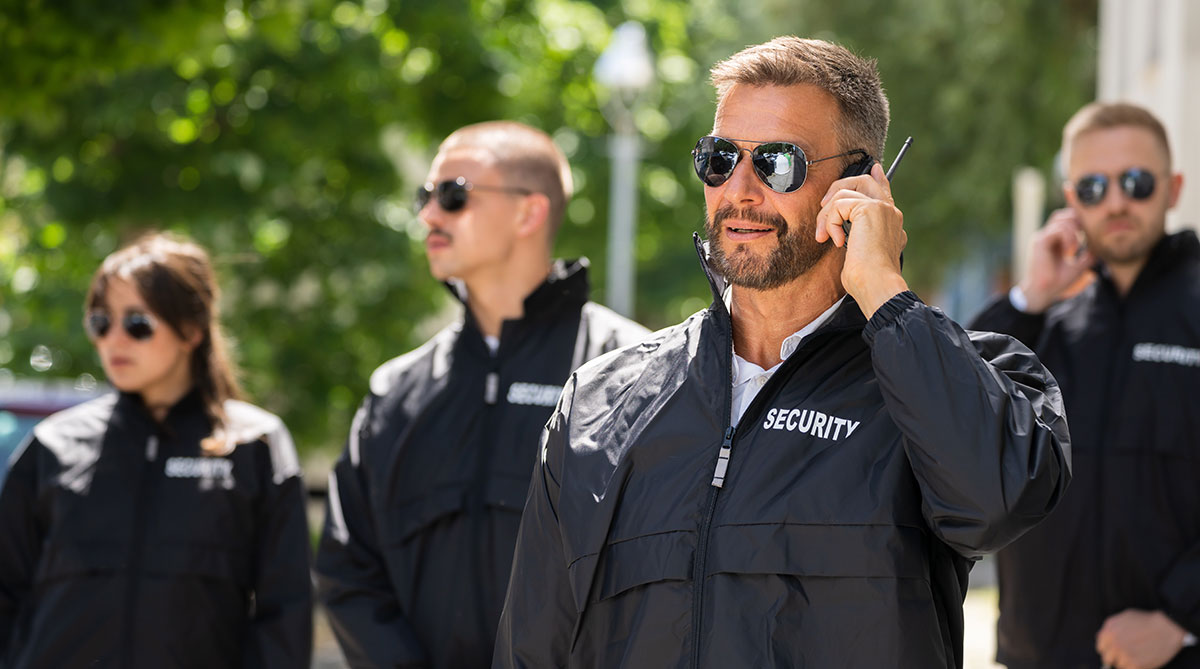
In the security industry, unexpected situations are part of the job. Emergencies can happen at any time, whether it is a medical incident at a private school, a disturbance at a shopping center, or a security breach at a private event. At Lion Shield Protection, we operate across Orange County, Los Angeles, San Diego, Riverside, San Bernardino, and Ventura Counties, and one of the most important lessons I have learned is that preparation is key. Effective crisis management is not about reacting in the moment; it is about planning, training, and building a team capable of responding calmly and decisively.
A security company’s ability to handle crises affects the safety of people, the protection of property, and the trust of clients. Being prepared for the unexpected is not optional—it is a core responsibility of leadership and operational management.
Assessing Risks and Anticipating Challenges
The first step in preparing for a crisis is understanding the potential risks. Every location and assignment has unique challenges, and it is essential to assess these risks proactively. At Lion Shield Protection, we conduct thorough site assessments, evaluate security vulnerabilities, and identify areas that may require additional attention.
Anticipating challenges also involves understanding human behavior. Security officers must be trained to recognize signs of conflict, suspicious activity, or potential emergencies. By identifying risks before they escalate, we create a framework that allows officers to respond efficiently and appropriately when a crisis occurs.
Developing Comprehensive Plans
Once risks are identified, it is critical to develop detailed crisis management plans. These plans outline procedures for various scenarios, from medical emergencies and fire incidents to threats of violence or natural disasters. Plans should include clear roles, communication protocols, and step-by-step actions for staff to follow.
At Lion Shield Protection, every officer receives training in emergency procedures specific to their assignment. Whether it is a private school, a shopping center, or a large-scale event, each team member knows exactly how to respond. This preparation ensures that when the unexpected happens, officers can act quickly and confidently, reducing the risk of confusion or mistakes.
Training and Drills
Training is the foundation of effective crisis management. It is not enough to have written procedures; officers must practice them regularly. Drills simulate real-world scenarios, allowing teams to refine their response, identify gaps, and improve coordination.
We conduct routine training sessions that cover communication, crowd management, first aid, and conflict de-escalation. By practicing these skills in a controlled environment, officers build the confidence and competence needed to respond under pressure. Training also reinforces the importance of teamwork and trust, which are essential when every second counts during a crisis.
Communication Is Critical
Clear and effective communication is vital during any emergency. Leaders must convey instructions quickly, officers must report developments accurately, and teams must coordinate seamlessly. Miscommunication can escalate a situation or create unnecessary risks.
At Lion Shield Protection, we emphasize the use of communication protocols and technology to maintain clarity. Radios, mobile reporting systems, and emergency alerts ensure that everyone is informed and able to act. Communication also extends to clients and the public. Providing accurate updates and guidance during a crisis fosters trust and reassurance.
Leading Calmly Under Pressure
A crisis can create stress and panic, but strong leadership sets the tone for how a team responds. Leaders must remain calm, assess the situation objectively, and make informed decisions. Officers look to leadership for guidance, and their confidence often mirrors the leader’s composure.
I have learned that staying calm under pressure is a skill developed through experience, training, and preparation. Leaders who model composure help their teams maintain focus and execute procedures effectively. This calm approach can make the difference between a controlled response and a situation that spirals out of control.
Post-Crisis Evaluation
Preparation does not end once a crisis is resolved. Post-incident evaluation is a crucial component of crisis management. Reviewing the response, identifying what worked well, and noting areas for improvement strengthens the team and enhances future performance.
At Lion Shield Protection, we conduct debriefings after every significant incident. Officers and supervisors discuss actions taken, challenges faced, and lessons learned. This process fosters accountability, reinforces best practices, and ensures continuous improvement in crisis management strategies.
Building a Resilient Team
A company’s ability to manage crises depends on the strength and resilience of its team. Hiring individuals with integrity, providing comprehensive training, and fostering a culture of accountability are essential. Officers must trust each other, follow procedures, and remain adaptable in unpredictable situations.
Leadership plays a key role in building this resilience. By providing guidance, resources, and support, leaders create a team that can handle pressure while maintaining professionalism. A resilient team protects not only property but also the safety and well-being of the people they serve.
Integrating Technology
Technology is a powerful tool for crisis management. Digital reporting systems, surveillance cameras, and access control platforms enhance situational awareness and streamline response. Technology allows officers to monitor developments in real-time, document incidents accurately, and communicate efficiently with team members and clients.
At Lion Shield Protection, we combine technology with trained personnel to create a comprehensive approach to crisis management. Technology alone is not enough, but when paired with skilled officers and effective leadership, it significantly improves safety and operational efficiency.
Conclusion
Crisis management is an essential part of running a security company. Being prepared for the unexpected requires risk assessment, comprehensive planning, training, clear communication, and strong leadership. At Lion Shield Protection, these principles guide how we protect clients across Southern California.
Preparation builds confidence, resilience, and trust. Officers who know how to respond effectively can handle emergencies calmly and professionally. Leaders who model composure and provide guidance strengthen their teams and improve outcomes.
Ultimately, a security company’s reputation and effectiveness are defined by how it manages crises. By focusing on preparation, training, and leadership, we ensure that when the unexpected occurs, we are ready to respond and protect what matters most: the people and communities we serve.